
My Recovery Routine as a
Young Goalkeeper
After training. After matches. On rest days. How I built the recovery habits that keep me consistent, healthy and progressing, written from experience on the pitch, not a textbook.
 Instagram
 TikTok
 YouTube
As a young goalkeeper with ambitions to play professionally abroad, I’ve come to understand that recovery is just as essential as training itself. Early on, I believed that hard work on the pitch and in the gym was the key to improving, and while that’s still true, I gradually realised that all the effort in the world means little without proper recovery. Recovery is where the real growth happens: muscles repair, the mind resets, and the body adapts. Many young athletes overlook this part of development, but from my experience, it is what separates consistent performance from burnout and injury.
If you follow my journey on Instagram or watch my highlight clips on YouTube, you’ll know I take my preparation seriously. This article goes behind the scenes, explaining exactly what I do after training, after matches, and on my rest days.
After Training — Hydration, Refuelling, and Muscle Care
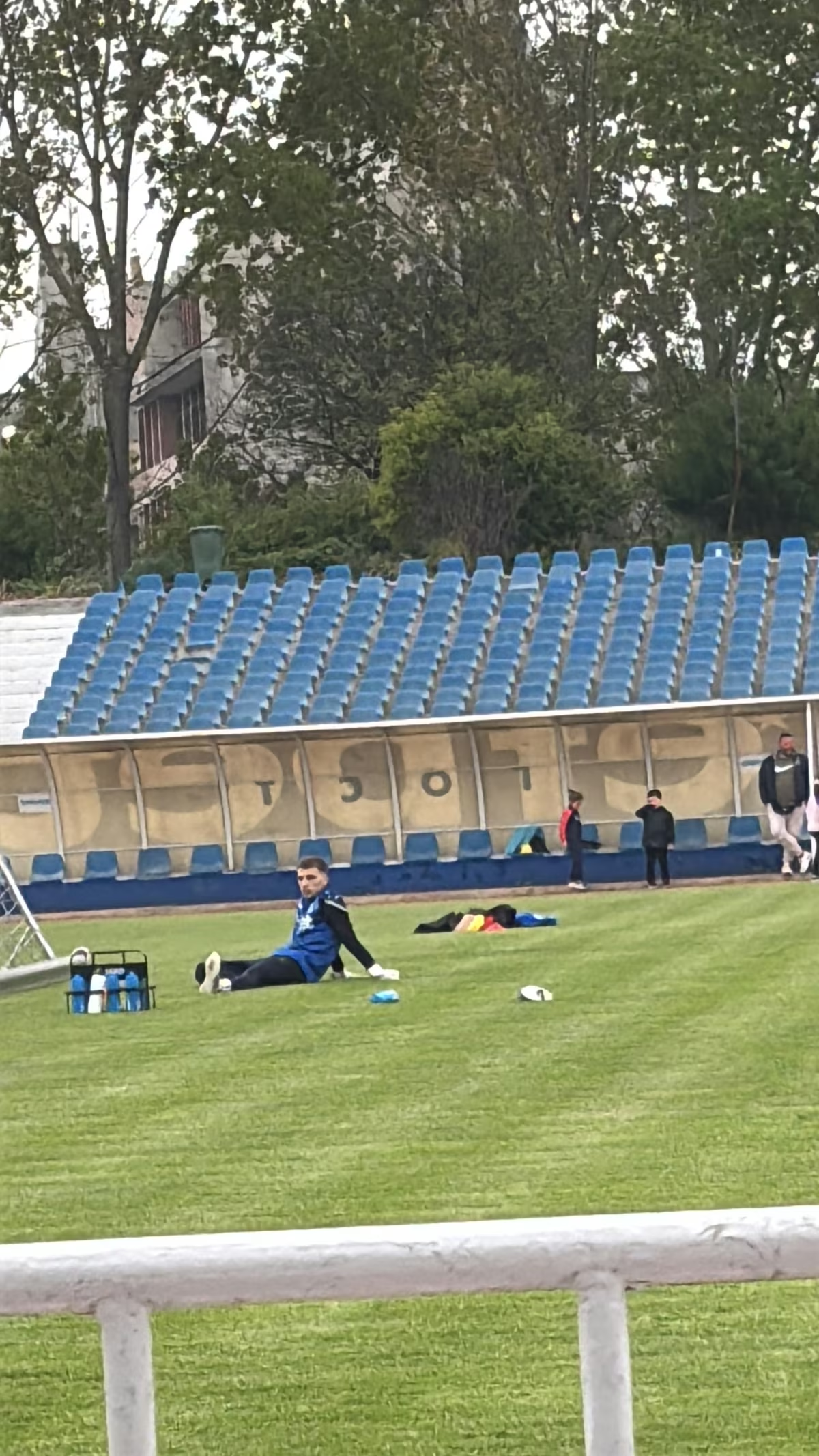
Every training session, whether it’s high-intensity goalkeeping drills, strength work in the gym, or tactical preparation with the team at OFC Nesebar, takes a toll on the body. I’ve learned that what I do in the first 30 minutes after training can significantly influence how I feel the next day. This window is what sports scientists often call the recovery window, when the body is most receptive to nutrients and healing.
Research published in the Journal of Strength and Conditioning Research confirms that goalkeepers face unique physical demands compared to outfield players, covering around 5,000m per game with explosive, high-intensity actions including diving, jumping, and rapid directional changes. This makes targeted post-training recovery especially critical for keepers.
The first thing I do is hydrate thoroughly. Training, especially under the sun or during longer sessions, can leave me dehydrated, and dehydration directly slows down recovery. I drink water mixed with electrolytes to replenish what I’ve lost through sweat. After that, I refuel with a protein shake: whey protein, a banana, and a spoon of peanut butter. This combination provides quick-digesting carbohydrates, healthy fats, and the protein my muscles need to repair and grow.
Once I’ve taken care of nutrition and hydration, I move on to stretching. As a goalkeeper, I focus particularly on my hamstrings, hips, and lower back, areas that take on significant strain during dives, jumps, and fast directional changes. Even just 10 to 15 minutes of targeted stretching makes a noticeable difference in how I feel the next day.
“I treat the post-training routine as part of the session itself, not something optional afterward. It’s a system that gives back as much as you put into it.”
Nikola Nikolov, goalkeeper, OFC NesebarPost-Match Recovery — Rebuilding Physically and Mentally
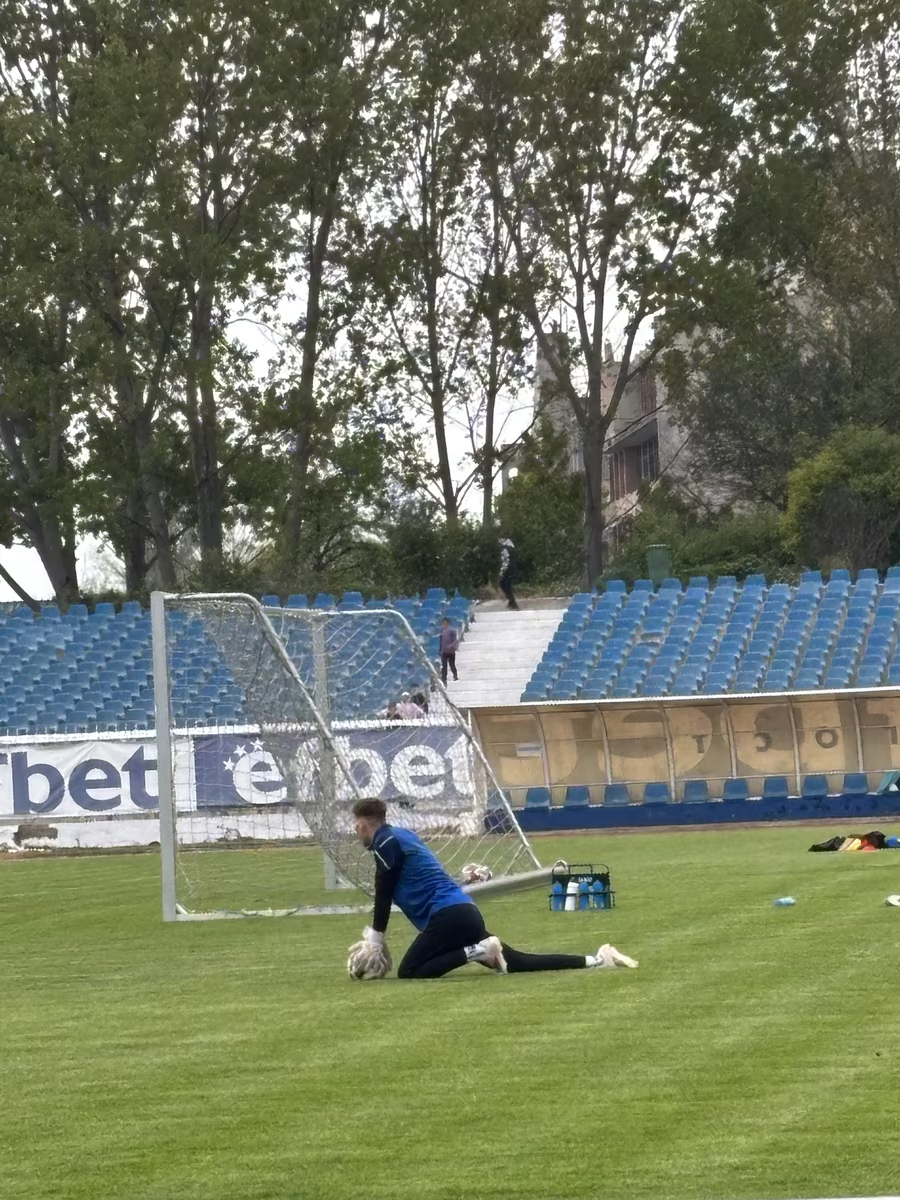
Matches are different. The intensity is higher, the emotional stakes are greater, and the toll is not only physical but mental. After a game, especially one that’s physically demanding or emotionally charged, I prioritise both physical restoration and mental clarity.
The first thing I do when I get home is take a contrast shower. This involves alternating between hot and cold water for a few minutes each. A 2022 study published in Frontiers in Physiology found that cold-water immersion following simulated football match-play significantly improved recovery of both central and peripheral neuromuscular fatigue. The heat relaxes muscles and increases circulation, while the cold reduces inflammation and soreness.
A 2026 meta-analysis on recovery strategies for elite football players identified contrast water therapy as effective in reducing lactate levels and perceived fatigue post-match. Liverpool’s Alisson Becker and Manchester City’s Ederson both operate within professional recovery frameworks that include nutrition timing, hydrotherapy, and cognitive decompression.
Post-Match Nutrition
Next, I eat a light but nutritious meal. I avoid anything too heavy immediately after a match because my digestive system is still settling. A typical post-match dinner includes rice, chicken, and steamed vegetables: balanced, high in protein, and easy to digest. I make sure to drink plenty of water. If the match was particularly long or played in hot conditions, I opt for a sports drink to restore electrolyte balance quickly.
Sleep as a Performance Tool
Sleep is one of the most important components of recovery after a game. I aim for at least eight hours, preferably more after a 90-minute match. Research consistently shows that quality sleep reduces cortisol, improves cognitive function, and accelerates physical healing. I treat post-match sleep like a training session: no screens late at night, a calm environment, and deep breathing exercises before bed.
- ✓No screens in the 30 minutes before bed — blue light disrupts melatonin production
- ✓Room temperature cool and dark — optimal for deep sleep cycles
- ✓5 minutes of slow diaphragmatic breathing to lower heart rate and cortisol
- ✓Aim for 8–9 hours — non-negotiable after a competitive 90 minutes
The mental aspect of recovery is something many people forget. As sports psychologist Joshua M. Smith MSc notes in the International Society of Sports Performance journal, one error can overshadow ninety minutes of excellence. I take a few minutes to write down what I did well, what needs work, and one positive takeaway. This process helps me process emotions, learn from the game, and mentally reset before the next challenge.
Rest Days — Active Recovery and Staying in Motion
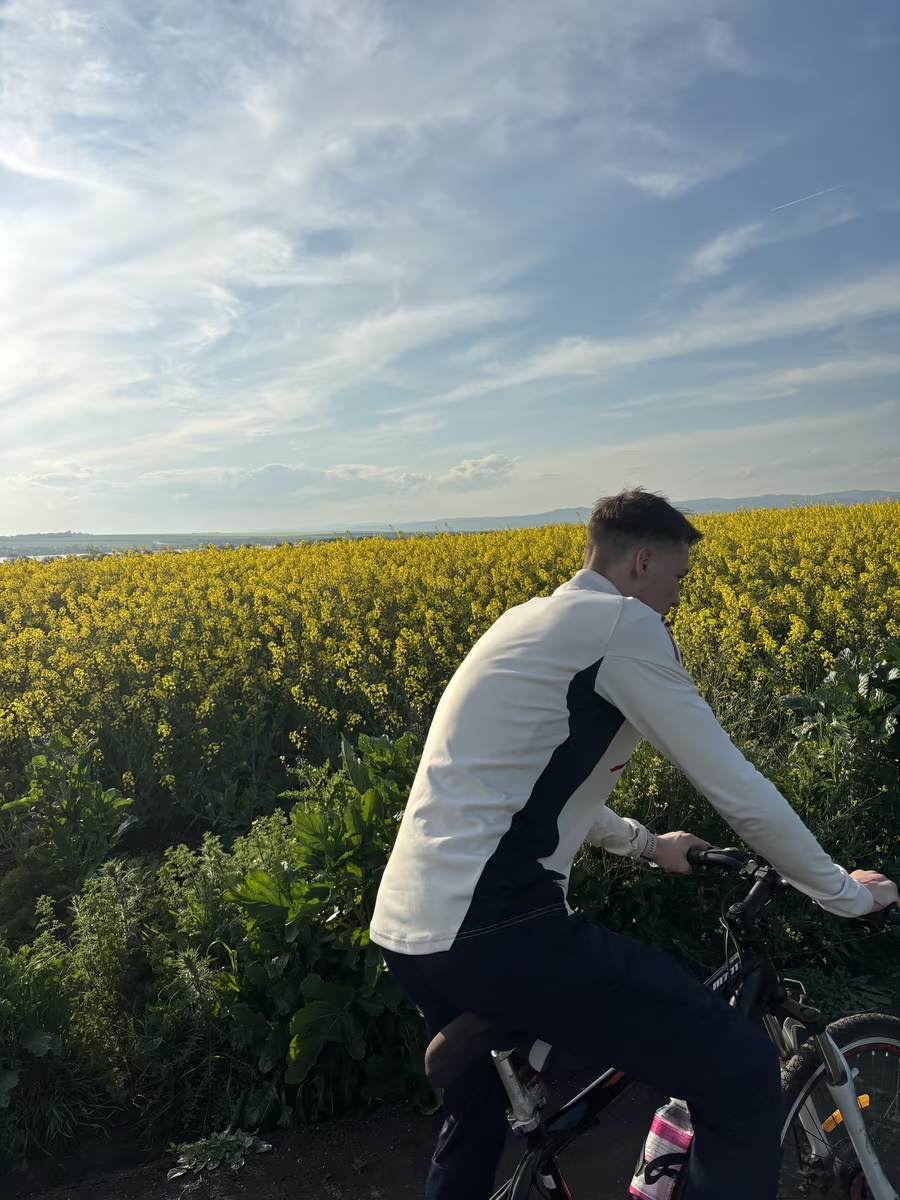
When people think of rest days, they often imagine doing nothing at all. But for me, rest doesn’t mean being inactive. I’ve found that active recovery is the key to feeling fresher and more prepared for the next cycle of training and matches.
On my rest days, I stay gently active. Swimming is one of my favourite ways to recover. The water takes pressure off joints, promotes relaxation, and enhances blood circulation. It’s also excellent for breathing control and loosening tight muscles. Sometimes I’ll do a light gym session, focused entirely on mobility, flexibility, and core stability. These workouts aren’t about pushing limits, they’re about staying limber and functional.
Research from the Aspetar Sports Medicine Journal by Gregson, Howatson and Thorpe emphasises that elite football players now routinely compete two to three times per week, making structured active recovery between sessions a non-negotiable professional standard.
Additional Tools That Support My Recovery
Over time, I’ve discovered a few additional habits that make a meaningful difference during demanding periods of the season.
- ✓8–9 hours of sleep, every night — my number one performance tool, and the first thing I notice when I compromise it
- ✓Magnesium and zinc on heavy weeks — magnesium supports muscle relaxation and sleep quality; zinc aids immune function and tissue repair
- ✓Evening breathing practice — 5 minutes of slow, deep breathing to calm the nervous system and fall asleep faster
- ✓Listening to my body — pulling back when something feels wrong is strength, not weakness
Modern goalkeeping science has shifted dramatically. Top clubs now use wearable GPS tracking, neurocognitive testing, and biomechanical feedback to monitor keeper loads. The habits I’ve built put me ahead of the curve before I even arrive at a top-level environment.
I used to feel guilty if I skipped a session or didn’t train at full intensity. Now I understand that progress isn’t always about pushing harder. Managing training load is key to avoiding injury and staying consistent throughout a long season.
A Goalkeeper’s Commitment — On and Off the Pitch
Being a young goalkeeper in today’s game is about much more than raw talent. It’s about commitment, discipline, and understanding how to take care of your body and mind. Recovery isn’t a luxury or a backup plan. It’s a foundational part of my daily routine, just as important as my saves, footwork, and fitness.
You can see the daily work on my TikTok, where I document training sessions and behind-the-scenes preparation, or watch full match highlights on my YouTube channel. For scouts, coaches, and academy directors, this is what a professional approach looks like every day.
“Elite goalkeepers are no longer viewed as static figures guarding the posts. They are among the most complex athletes on the pitch, combining explosive athleticism, cognitive sharpness, and emotional resilience.”
ISSPF Journal, Guarding the Goal: Science-Backed Coaching for Elite Goalkeeper Performance (2025)To follow my journey from Burgas to the next chapter, visit my portfolio homepage or connect on Instagram for daily updates.
Frequently Asked Questions
In the first 30 minutes after training, prioritise hydration with electrolytes, consume a protein-rich recovery shake (whey, banana, peanut butter is a solid combination), and spend 10–15 minutes stretching key goalkeeper areas: hamstrings, hips, and lower back. Foam rolling after intense sessions further supports blood flow and reduces next-day soreness.
Elite goalkeepers use contrast showers immediately post-match, follow with a balanced recovery meal of protein and carbohydrates, prioritise 8–9 hours of quality sleep, and include a mental reflection process to reset psychologically. Liverpool’s Alisson Becker and Manchester City’s Ederson both operate within professional recovery frameworks including nutrition timing, hydrotherapy, and cognitive decompression.
No. Active recovery is consistently more effective than full rest. Light swimming, cycling, mobility work, or a short walk keeps blood flowing, reduces muscle stiffness, and maintains mental sharpness without adding training stress.
Magnesium and zinc are commonly used by footballers during heavy training blocks. Magnesium supports muscle relaxation and sleep quality; zinc plays a role in immune function and tissue repair. Always consult a sports nutritionist before adding any supplements to your routine.
Sleep is arguably the single most important recovery tool available to a young athlete. During deep sleep, growth hormone is released, muscles repair, and cognitive function — critical for a goalkeeper’s decision-making and reaction speed — is restored. Research in Sports Medicine consistently shows that 8–9 hours per night significantly improves reaction times, emotional regulation, and injury resilience.
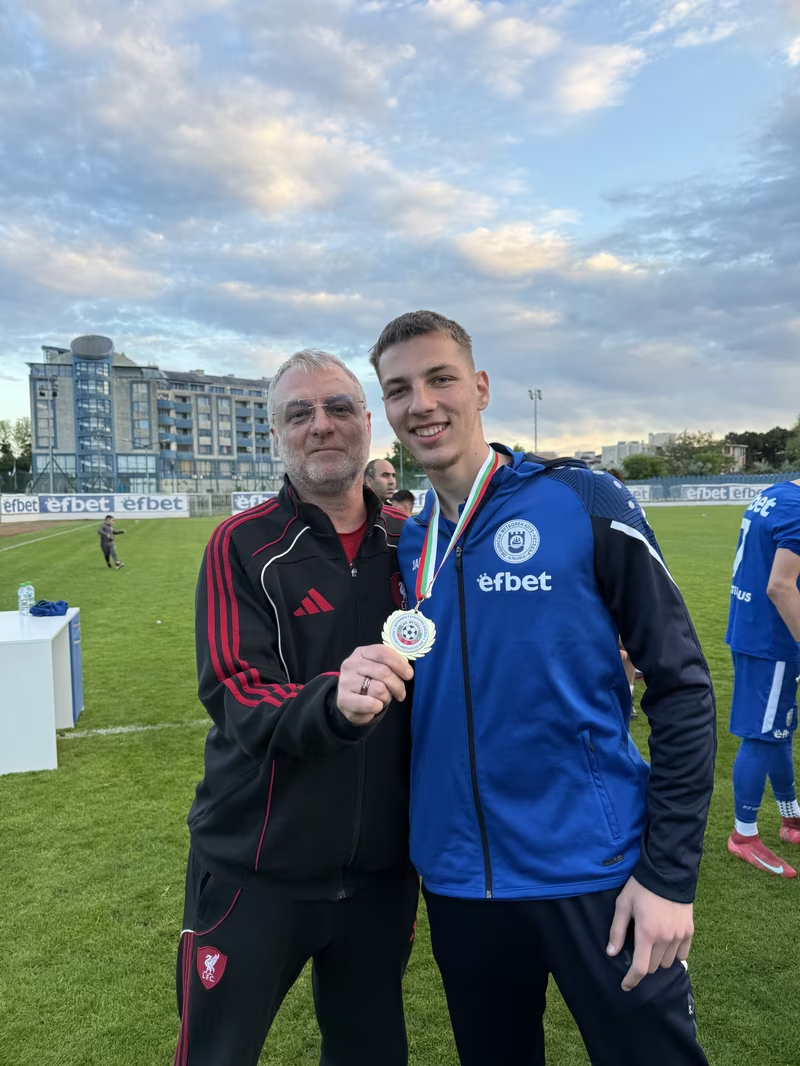
Nikola Nikolov is a professional goalkeeper from Burgas, Bulgaria, with senior experience at OFC Nesebar and FC Chernomorets 1919 Burgas. Targeting a professional career abroad. Pictured with his father Peter Nikolov, celebrating on the pitch.


